

A body of scholars, established to serve Muslim families
Islamic Council was founded by scholars, imams and community leaders to give Muslims living as a minority a place to meet their religious obligations properly — and to be heard when things go wrong.
Who hears your case
From the beginning we held that the Council's scholars should be deeply connected to Allah and have strong knowledge of Islamic law — both in theory and in practice.
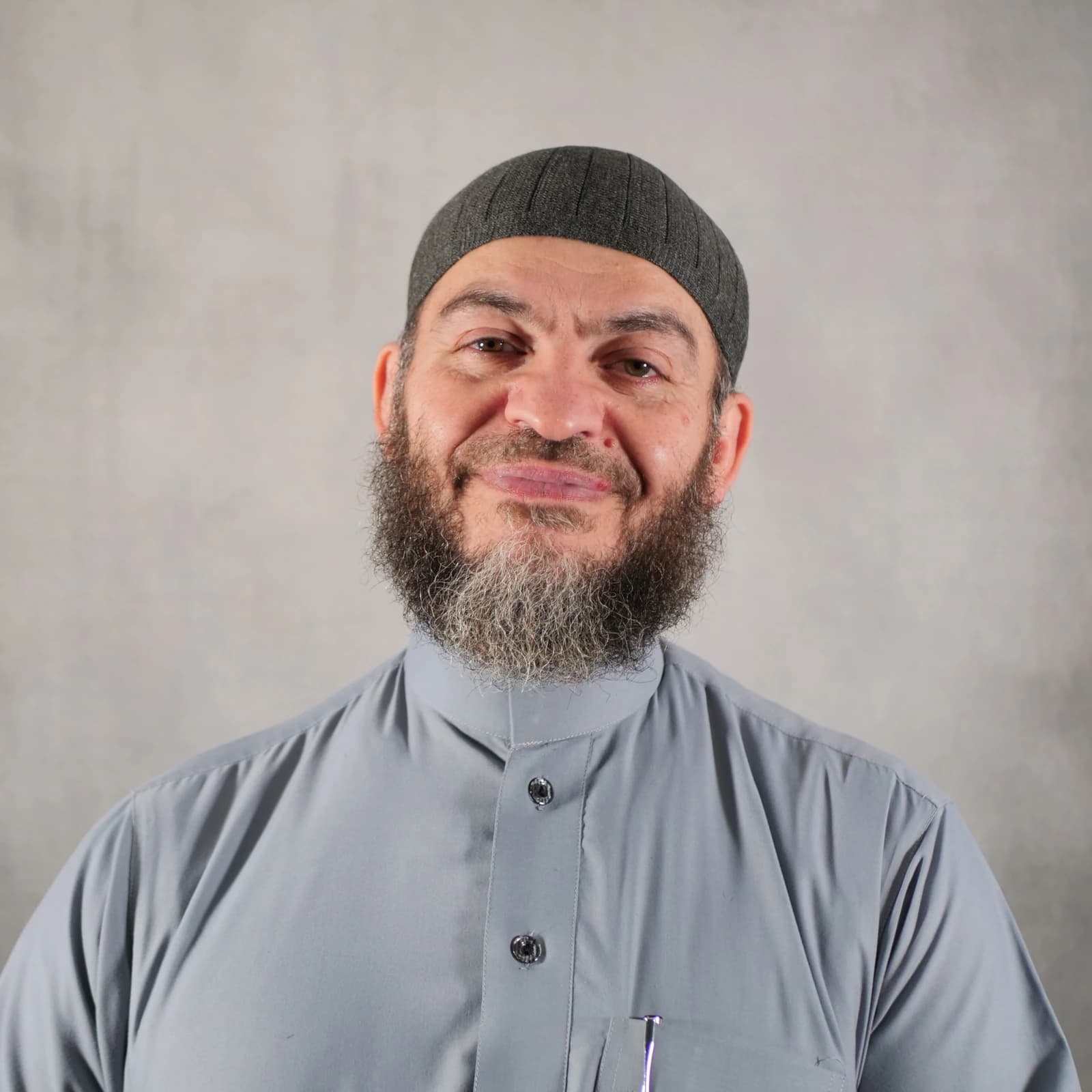
Shaykh Dr. Haitham Al-Haddad
Chair, Fatwa Committee
Doctorate in the jurisprudence of Muslim minorities from SOAS, with over twenty years of study and decades serving Muslim families in the West.
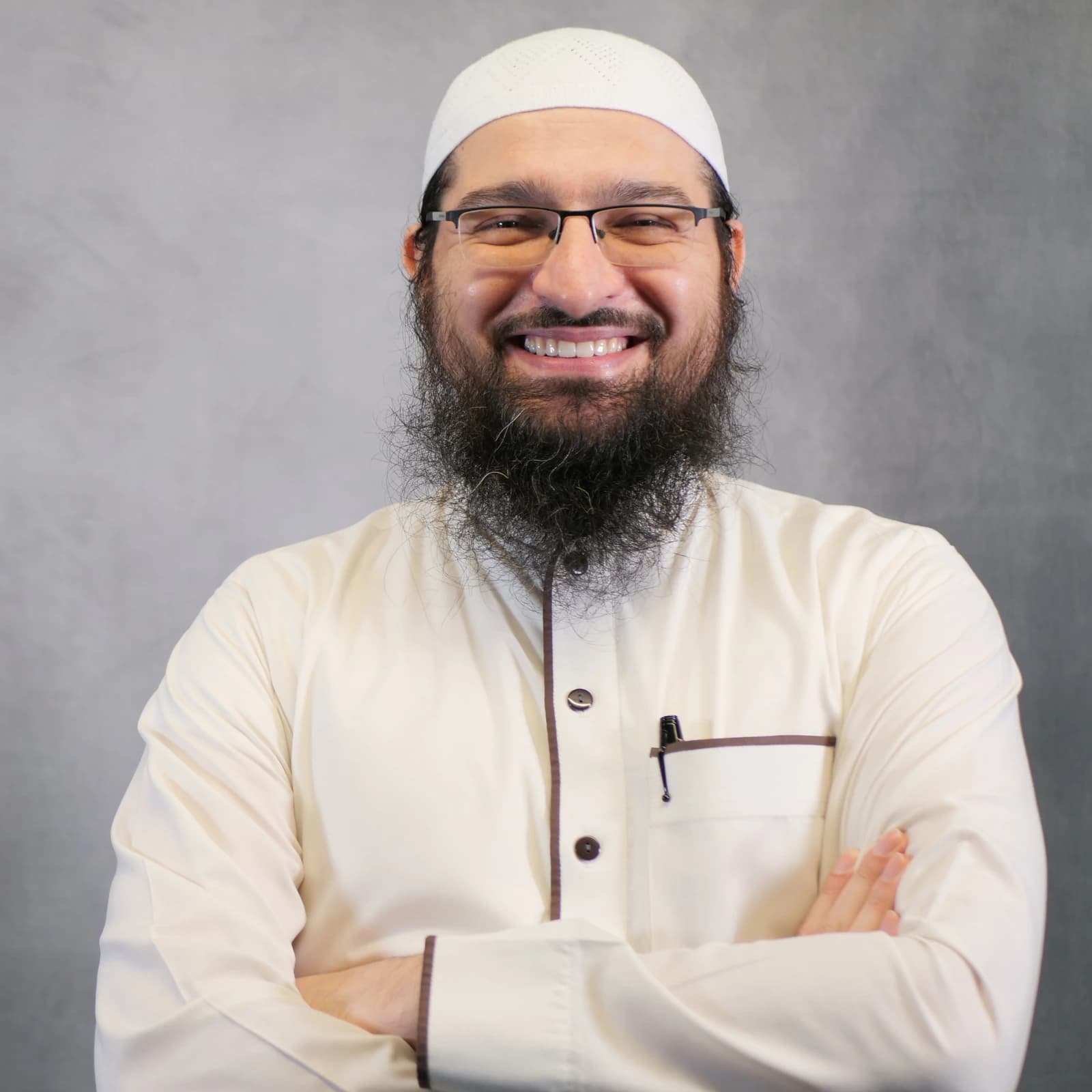
Shaykh Dr. Ali Ahmed
Judiciary & Arbitration
PhD in the Islamic judiciary, focusing on arbitration and mediation in Muslim family law.
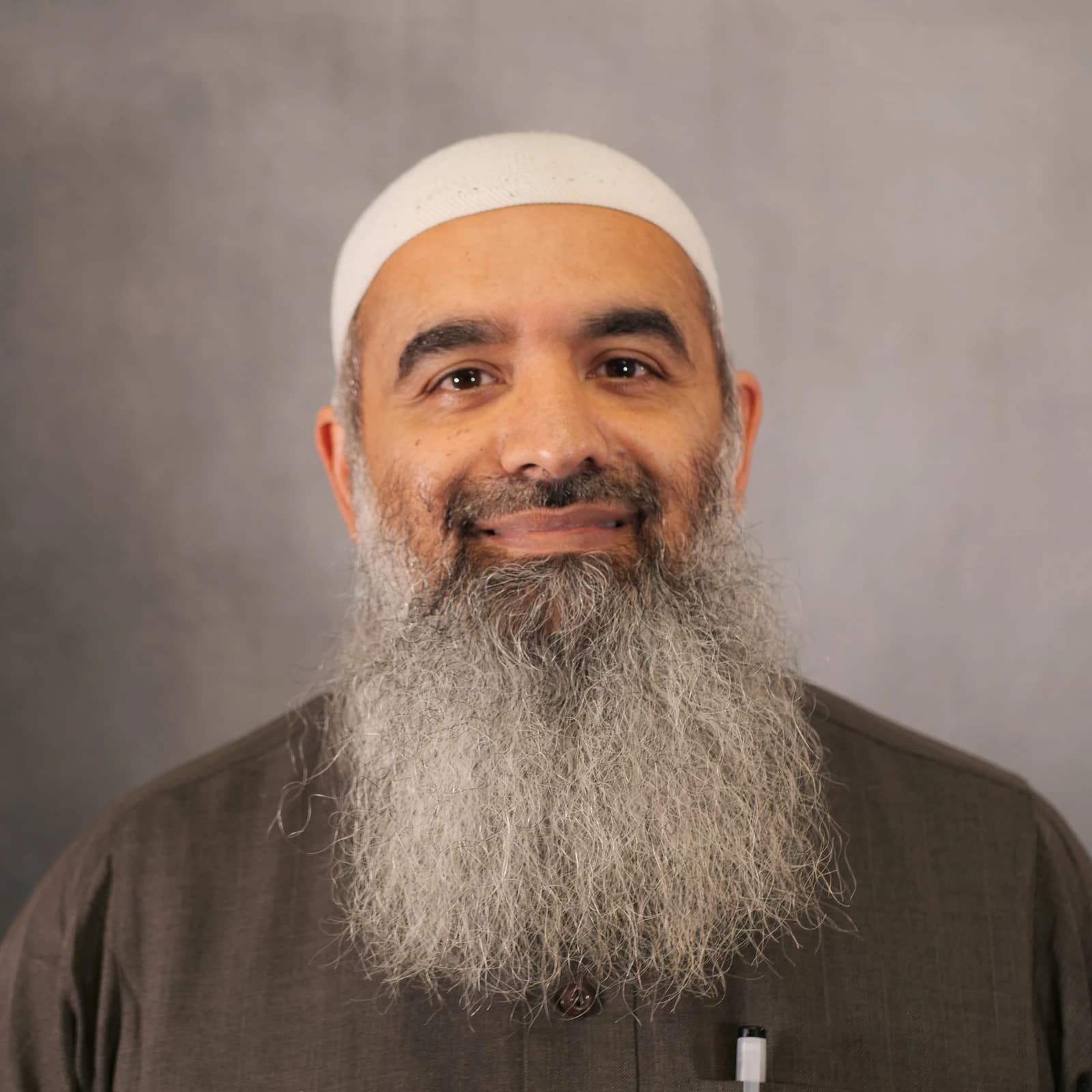
Shaykh Farid Haibatan
Family Guidance
Graduate of the Islamic University of Madinah and a lecturer in Islamic studies.
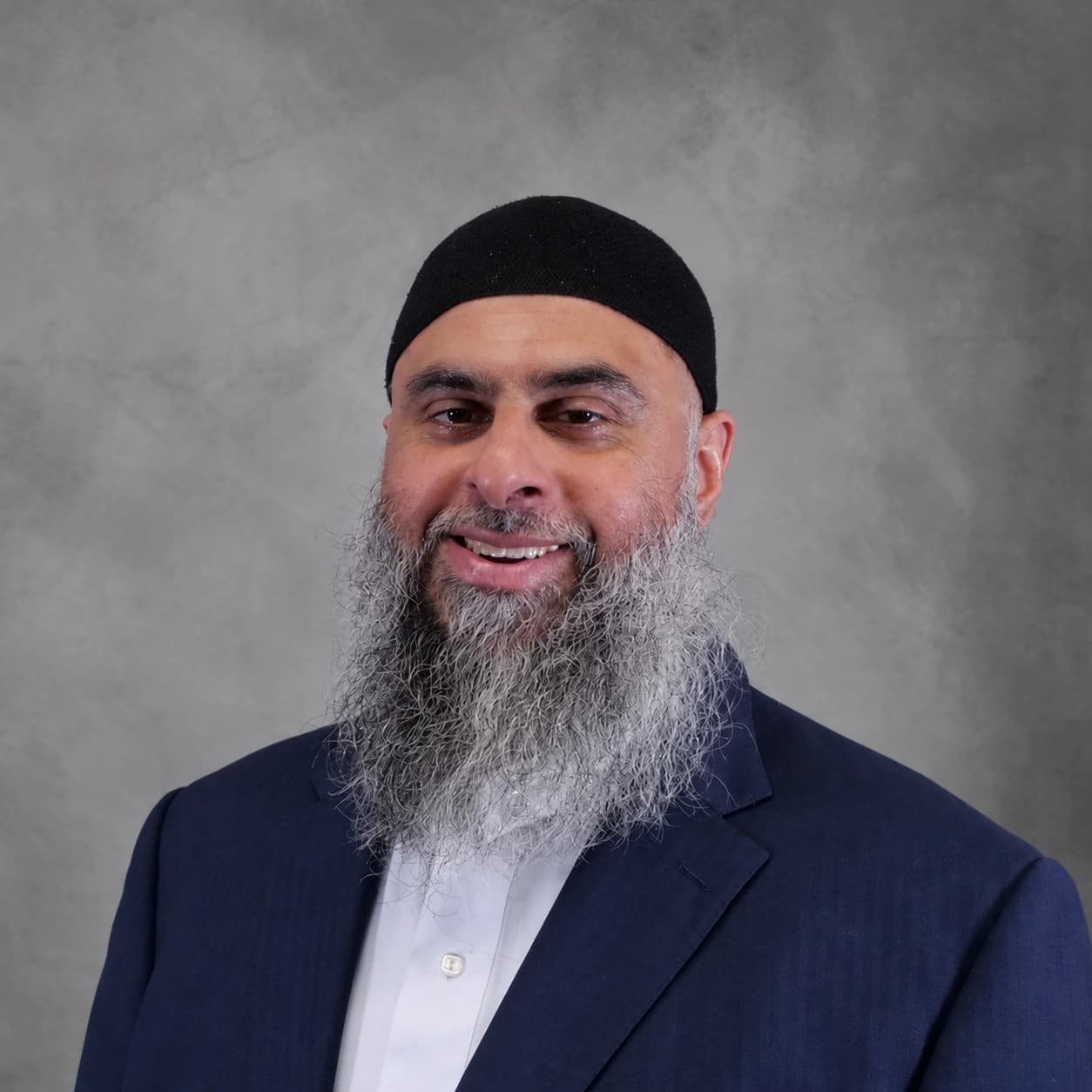
Shaykh Shaqur Rehman
Counselling & Reconciliation
MA in Applied Linguistics and a memoriser of the Qur'an with ijāza.
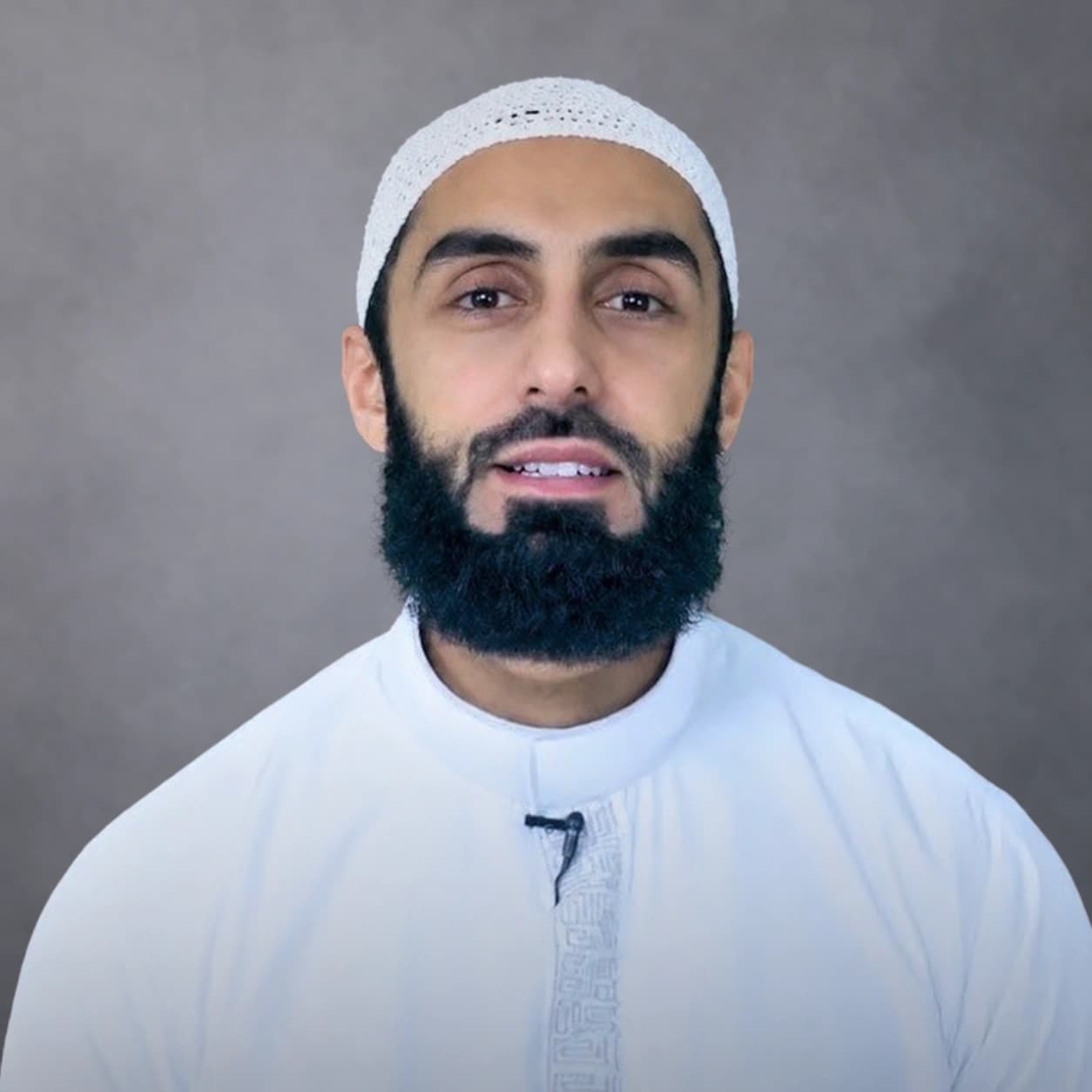
Shaykh Ali Hammuda
Family & Community
Graduate of Al-Azhar and a visiting imam, known for his work with families and young Muslims.
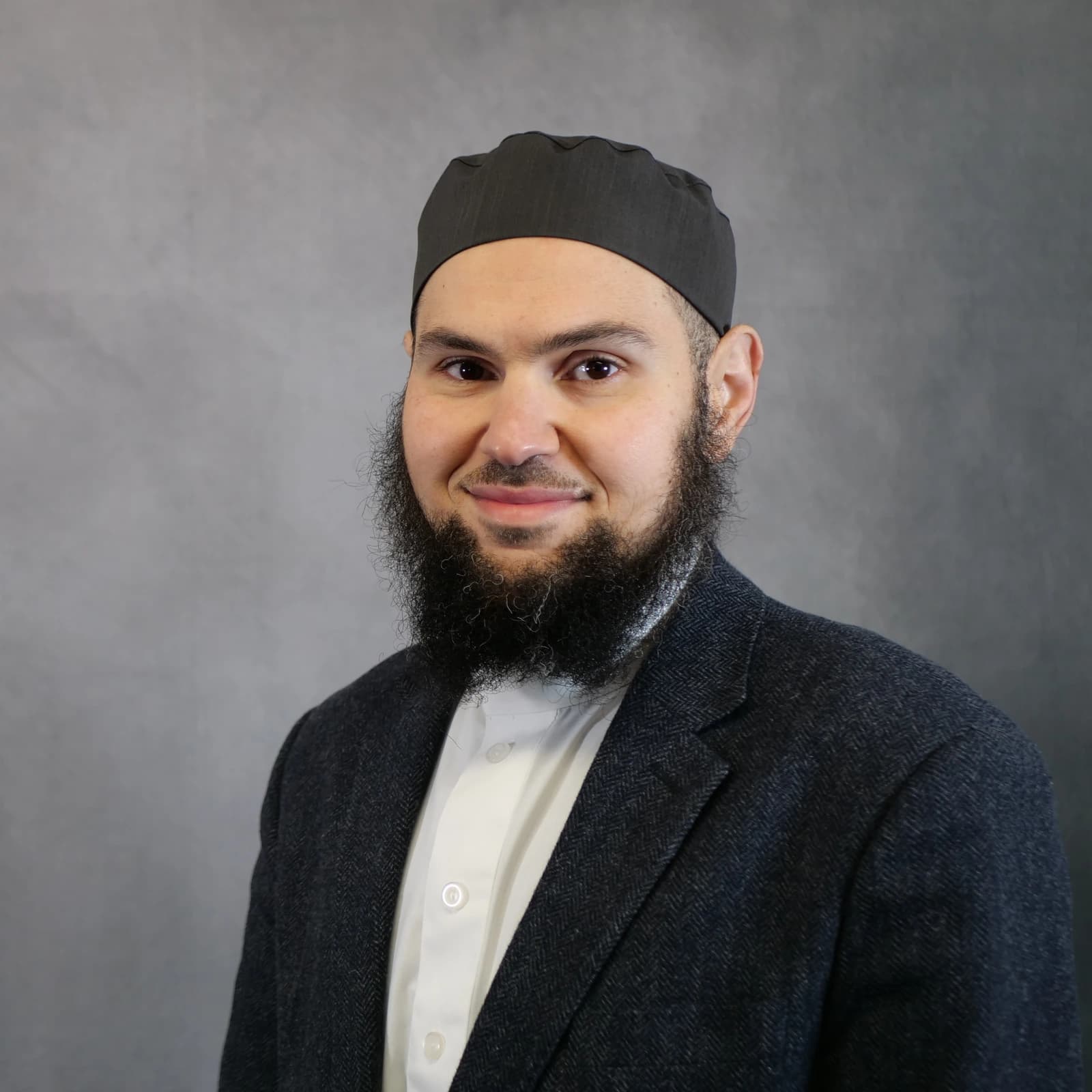
Shaykh Fuad Abdo
Scholar
Honours graduate of the College of Shari’ah at Imam Muhammad ibn Saud Islamic University, with practical experience in law and Shari’ah consultancy.
Serving as an imam in the community is a requirement we insisted on from the outset. It means the person hearing your case understands the reality you are living in, not only the texts.
Professional, holistic and without prejudice
The Council aims to provide its services to the highest standards of integrity and professionalism. What you will find is a service shaped by the calibre and experience of our adjudicators, by strong processes, and by absolute confidentiality.
We are non-judgemental, and relevant wherever you happen to be on your journey.
From a reconciliation service to a council families rely on
The Council grew out of a reconciliation service in London. What follows are the moments that shaped it.
- 2014
Reconcile begins
A reconciliation service in London starts taking marriage advice cases.
- 2016
The Islamic Council of Europe
Reconcile becomes the Islamic Council of Europe, giving the wider community access to shari'ah for adjudication, arbitration and reconciliation.
- 2017
Landmark cases
Guidance on the Grenfell Tower tragedy and a fatwa on double interment burial.
- 2019
Tafida Raqeeb
The Council's guidance is put before the High Court, and its first marriage workshop is held.
- 2020
Serving through the pandemic
Services move online, Covid-19 burial guidance is issued, and scholars and imams meet in two symposia.
- 2021
1,000 cases
The Council passes 1,000 cases and launches the Islamic Finance Advisory.
- 2022
Islamic Council
A new name and identity, expansion to North America, and training for lawyers in Malaysia.
- 2023
Islamic Council Germany
A branch opens in Germany, alongside new courses including Marital Mastery.
- 2024
Guidance and hardship support
Five guidance documents published, and over £47,000 from the hardship fund to help clients who could not pay.
- 2025
Reaching families earlier
Eleven free events, two short books for couples, and the first Islamic Finance Diploma cohort through IFA.
- 2026
A new website
A refreshed islamiccouncil.com brings the Council's services, research and guidance together in one place.
To see a just and benevolent world
We seek a world in which justice and benevolence flourish together, shaping individuals, families, institutions and society: where divinely given rights are upheld, harm is prevented and fairness is firmly established.
Those who come to us often feel deeply wronged. We uphold justice, and we also gently guide people beyond entitlement alone, towards grace, generosity and moral excellence.
“Indeed, Allah commands justice and benevolence.”
Qur'an 16:90
To adjudicate, empower and educate people to live upon Islamic moral and ethical guidance
Through principled adjudication, we uphold justice with integrity. Through empowerment, we help people live confidently and responsibly by divine guidance, fulfilling their duties to Allah and to one another.
Through proactive education, we equip people with the knowledge and moral clarity to uphold fairness and excellence in their decisions, reaching families long before difficulties become cases.
What the Council holds itself to
- 01Religious pride & practice
- 02Ummah mindset
- 03Excellence of character
- 04Serving society
- 05Championing heritage
- 06Promoting excellence